Our Risk Assurance & Advisory Partner, Kate Williams, recently joined host Jonathan Trimble on the Crushing It podcast to discuss the evolving world of security and compliance, and why they are becoming a critical priority for startups earlier than ever before.
In the episode, Navigating Compliance in the Age of Cybersecurity, Kate shares practical insights into SOC 2 compliance, growing expectations from enterprise customers, and how emerging technologies like artificial intelligence are reshaping risk management strategies for new and growing companies.
Compliance Is No Longer a “Later” Conversation

One of the key takeaways from Kate’s conversation is that compliance is no longer something startups can afford to postpone.
As companies pursue larger customers and enterprise opportunities, compliance frameworks such as SOC 2 are appearing much earlier in the growth journey, particularly in industries like health tech and fintech.
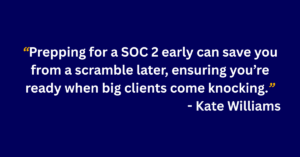
Kate emphasized the importance of being proactive rather than reactive when it comes to compliance planning.
By starting early, organizations can reduce stress, avoid rushed timelines, and build stronger internal controls that support long term growth.
Building a Strong Compliance Foundation
Throughout the episode, Kate breaks down the differences between SOC 2 Type 1 and Type 2 reports, along with the value of beginning with a SOC 2 readiness assessment before jumping straight into an audit.
Readiness assessments allow companies to identify gaps, strengthen processes, and prepare for a smoother audit experience.
Kate shared that companies that invest time upfront in readiness see better long-term results because security and compliance can be built to scale with an organization early on.
This proactive approach not only improves audit outcomes but also positions organizations to respond confidently to customer and partner compliance requirements.
AI, Innovation, and Emerging Risks
Another major topic covered on Crushing It was the growing impact of artificial intelligence on cybersecurity and compliance.
While AI tools are helping companies innovate faster, Kate discussed the increasing risks associated with “shadow AI,” where employees use AI platforms without formal approval or oversight.
These tools can introduce security vulnerabilities and compliance challenges if not properly managed.

Kate encouraged organizations to balance innovation with strong governance and risk management practices.
To hear Kate’s full conversation and dive deeper into cybersecurity compliance strategies for startups, watch the full episode on YouTube, or listen on Spotify, and Apple Podcasts. You can also follow Kate on LinkedIn for up-to-date content on the state of compliance, cybersecurity, and artificial intelligence.
Through conversations like this, Kate continues to share practical guidance that helps startups approach compliance and cybersecurity with confidence as they grow.
At Maxwell Locke & Ritter, we care about your success and are dedicated to providing tailored solutions that grow with your business. Our Risk Assurance & Advisory team works closely with clients to support SOC 2 readiness and examinations, technical assessments, and evolving cybersecurity needs.